The Science Behind Anti-Slip Solutions: How They Work to Prevent Accidents
The science behind anti-slip solutions is rooted in their ability to enhance traction and reduce the risk of slipping.
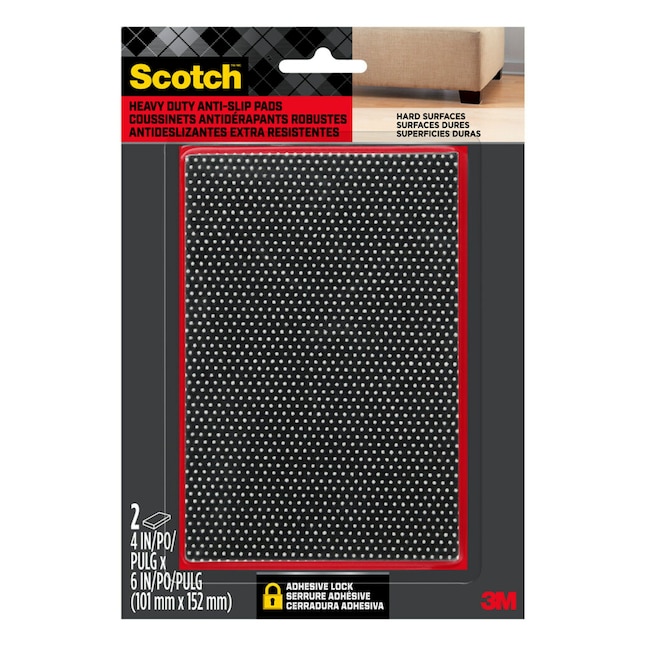
The mechanics of these solutions often involve abrasive materials that are applied to surfaces, creating a tactile grip that counteracts the forces of sliding. This is especially important in high-traffic areas and environments prone to spills. Moreover, some anti-slip products utilize advanced polymer technology to provide a durable, resistant layer that maintains its effectiveness even under adverse conditions.
If you're looking to improve your gaming experience, consider exploring the Top 10 Mouse Grip Tapes available on the market. These tapes enhance grip, providing better control and comfort during long sessions. Choosing the right mouse grip tape can make a significant difference in your overall performance and prevent slippage during crucial moments.
Top 5 Anti-Slip Products You Need for a Safer Home
When it comes to creating a safer home environment, investing in anti-slip products is essential. Slips and falls can happen anywhere, but they are most common in high-traffic areas such as hallways, kitchens, and bathrooms. Here are the top 5 anti-slip products you should consider to reduce accidents in your home:
- Anti-Slip Bath Mats: These mats provide excellent traction for wet surfaces and can dramatically cut down on bathroom slips.
- Anti-Slip Floor Treatments: Applying a specially formulated treatment to your floors can add grip and reduce slipping, especially on tiles.
- Adhesive Non-Slip Strips: Perfect for stairs and slippery surfaces, these strips are easy to install and offer immediate results.
- Non-Slip Rug Pads: If your home has area rugs, using non-slip pads underneath can prevent them from sliding around.
- Grip Socks and Slippers: Wearing grip socks or slippers at home can ensure you maintain traction while moving around.
Are You at Risk? Understanding Slippery Situations in Everyday Life
In our daily lives, we often encounter slippery situations that can pose risks to our safety and well-being. Whether it's a wet floor in a public area, a busy street without proper signage, or even a chaotic social setting, understanding these scenarios is crucial. For instance, consider the common household risks:
- Spills in kitchens
- Uneven pavement outdoors
- Improper lighting in stairways
To mitigate the risks associated with slippery situations, it's essential to adopt proactive strategies. Start by evaluating your environment and identifying potential hazards. Simple actions such as using non-slip mats, wearing appropriate footwear, and enhancing your awareness of your surroundings can significantly reduce accidents. As you navigate through life, remember:
“Prevention is better than cure.”By taking steps to understand and address these slippery situations, you empower yourself to live a safer and more confident life.