Is Your Digital Life Harming Your Real-Life Connections?
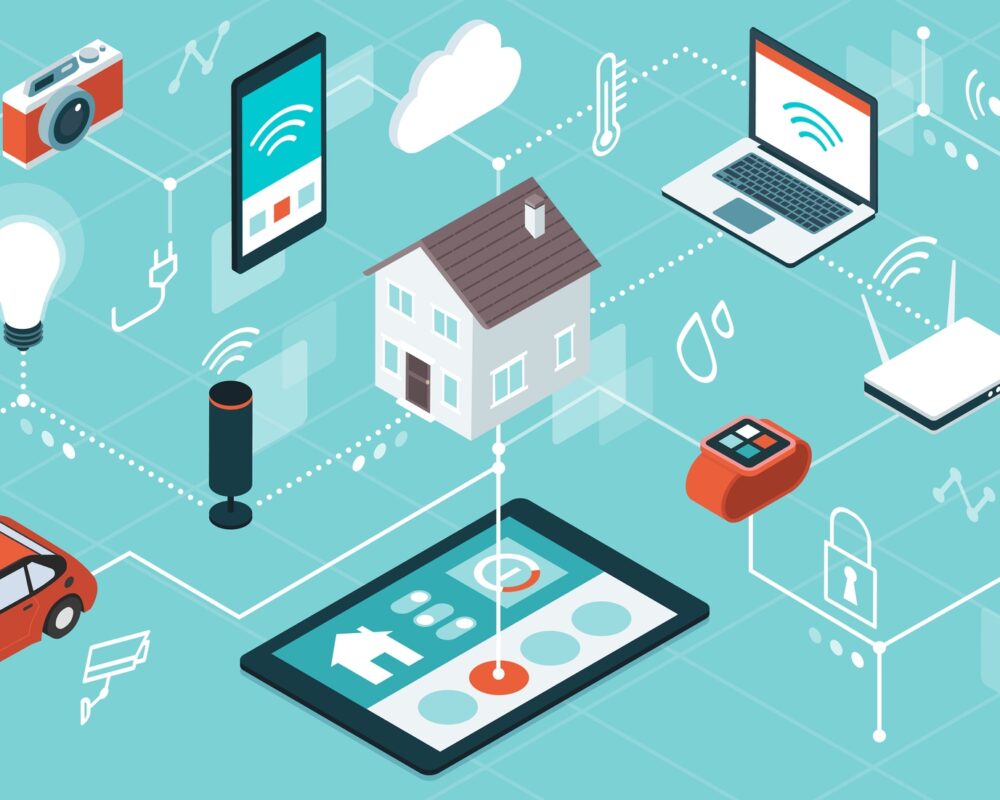
In today's digital age, it's easy to become overwhelmed by the constant barrage of notifications, social media updates, and online distractions. While technology enhances our lives in many ways, it can also create a chasm between virtual interactions and real-life connections. Is your digital life harming your real-life connections? One significant concern is the reduction of face-to-face communication. Studies have shown that individuals who spend excessive time on their devices tend to exhibit poorer social skills, leading to feelings of loneliness and isolation. The reliance on screens can undermine the depth of our relationships, as we often prioritize online conversations over meaningful in-person interactions.
Moreover, the pressure to maintain a curated online presence can further exacerbate these issues. With the rise of social media, many individuals feel compelled to showcase their lives in a way that may not be entirely authentic. This emphasis on digital validation can lead to comparisons and feelings of inadequacy, which may prevent us from nurturing our real-life communities. To combat this trend, it's essential to establish boundaries around our digital consumption. Consider allocating specific times for online activities while dedicating ample time for your loved ones. Being mindful of how we engage with technology can help restore balance and strengthen our real-life connections.
Counter-Strike is a highly popular first-person shooter video game series that pits teams of terrorists against counter-terrorists in various objective-based missions. With its rich history in the esports scene, Counter-Strike has evolved through several editions, with Top 10 apple tv remotes being a topic of interest among gamers for optimizing their gaming setups. Players engage in tactical gameplay, requiring teamwork, strategy, and skill to succeed.
The Paradox of Connection: How Social Media Affects Mental Health
The rise of social media has transformed the way we connect and interact with one another. While platforms like Facebook, Instagram, and Twitter offer unprecedented opportunities for communication, they also introduce complexities that can negatively impact our mental health. Studies show that excessive use of social media can lead to increased feelings of anxiety, depression, and loneliness. As users scroll through curated highlights of others' lives, they may experience FOMO (fear of missing out), comparing their unfiltered reality to the seemingly perfect lives on display. This paradox of connection can lead to a vicious cycle where the pursuit of validation through likes and comments only exacerbates feelings of inadequacy.
Despite these concerns, social media can also serve as a vital tool for connection and support. Online communities provide a space for individuals to share their struggles and triumphs, fostering solidarity and reducing the stigma surrounding mental health issues. For many, social media acts as a lifeline, enabling them to seek help and connect with others who understand their experiences. Striking a balance between utilizing these platforms for genuine connection while being mindful of their potential harms is essential. By setting healthy boundaries and prioritizing real-world interactions, users can harness the positive aspects of social media while mitigating its adverse effects on mental health.
Are We Losing the Art of Face-to-Face Communication in a Hyper-Connected World?
In today's hyper-connected world, where technology reigns supreme, the art of face-to-face communication appears to be fading into the background. With the advent of social media, instant messaging, and video calls, many individuals have adopted a preference for digital interaction over in-person conversations. Are we losing the art of face-to-face communication? This shift not only affects personal relationships but also has significant implications for professional settings, where non-verbal cues and authentic human connection can play a pivotal role in successful collaboration.
Moreover, the decline in face-to-face communication is reflected in various aspects of society, including education and mental health. Studies suggest that students who engage more in in-person discussions are better equipped to develop critical thinking skills and emotional intelligence. The ability to read facial expressions and body language is crucial, yet it is compromised when interactions take place through screens. As we navigate this digital age, it is imperative to rekindle our appreciation for direct communication and advocate for environments where personal interactions remain a priority.