How to Identify a Type C Charger: A Simple Guide
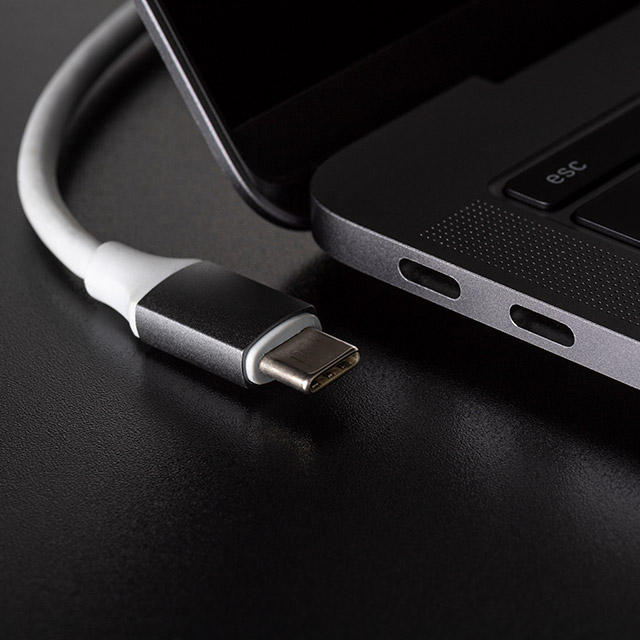
Identifying a Type C charger is crucial in today's tech-savvy world, where multiple devices often utilize different charging standards. USB Type C is characterized by its oval-shaped connector, which differs from the traditional rectangular USB connectors. To ascertain if a charger is a Type C, examine the connector closely; it should be reversible, allowing for easy plug-in from either side. Additionally, check for compatibility markings or labels on the charger itself, as many manufacturers will specify the type of charger in use.
Another important aspect to consider is the charging cable's specifications. A genuine Type C charger will support faster data transfer and charging capabilities. To confirm its authenticity, look for cables that are labeled with USB-IF certification, which ensures adherence to Type C standards. If you're unsure, testing the charger with a known Type C device can provide clarity; if the device charges efficiently, you can confidently conclude that you have identified a Type C charger.
When looking for convenience and efficiency, Top 10 Short USB C Cables can significantly enhance your tech experience. These cables are perfect for connecting devices in tight spaces, ensuring fast data transfer and charging capabilities. Whether you need them for your smartphone, tablet, or laptop, these short USB C cables are designed to meet your needs.
The Benefits of Switching to Type C Chargers: What You Need to Know
Switching to Type C chargers brings a multitude of benefits that are hard to ignore. First and foremost, the reversible design of Type C connectors eliminates the hassle of fumbling to plug in your device. This convenience not only saves time but also reduces wear and tear on the charging ports. Additionally, Type C chargers offer faster data transfer rates and can deliver more power compared to their predecessors, making them a versatile choice for modern electronics.
Another significant advantage of adopting Type C chargers is their universal compatibility. A single Type C charger can power various devices, from smartphones to laptops, streamlining your charging process. As more manufacturers transition to this standard, investing in Type C accessories ensures that you are future-proofing your tech needs. In summary, switching to Type C chargers not only enhances your user experience with improved functionality but also simplifies your gadget ecosystem.
Is Your Device Compatible with Type C? Check These Key Features
When it comes to USB Type-C compatibility, there are several key features to consider in order to ensure that your device is fully compatible. First, you should check if your device has a USB Type-C port. Most modern electronics, such as smartphones, laptops, and tablets, are beginning to adopt this universal connector, but it's essential to verify that your specific model includes one. Additionally, be mindful of the data transfer speeds and power delivery rates that your device supports. USB Type-C can offer varying capabilities depending on the device, ranging from USB 3.1 to Thunderbolt 3, so understanding these specifications is crucial for optimal performance.
Another important aspect to evaluate is whether your cables and accessories are Type-C compliant. Not all USB Type-C cables are created equal; some may only support basic charging, while others are designed for high-speed data transfer or video output. It's advisable to look for cables that explicitly state compatibility with your device type and the required specifications. Finally, check the firmware updates on your device, as manufacturers often release updates to enhance compatibility with the latest technologies and peripherals. By confirming these key features, you can ensure that you are maximizing the functionality of your USB Type-C device.