5 Creative Ways to Use Natural Light in Your Interior Design
Natural light is one of the most valuable resources in interior design, offering not only illumination but also a sense of warmth and connection to the outdoors. Here are 5 creative ways to use natural light in your interior design:
- Utilize Mirrors: Strategic placement of mirrors can significantly amplify natural light. Positioning a large mirror opposite a window can create the illusion of more space while reflecting sunlight throughout the room.
- Incorporate Skylights: If you're looking to make a bold architectural statement, consider installing skylights. They allow abundant natural light to flood into your home, making interiors feel sunny and welcoming.
- Choose Light Colors: Opting for lighter shades on walls and furniture can enhance the effect of natural light. White, pastel, or soft hues reflect light better, creating an airy atmosphere.
- Make Use of Sheer Curtains: Rather than blocking light with heavy drapery, choose sheer curtains that allow sunlight to filter through, providing privacy while still bathing the room in brightness.
- Design Open Spaces: Open floor plans with minimal barriers allow natural light to travel freely from one area to another. Large openings and minimal walls can help create a seamless flow of illumination throughout your home.
In addition to enhancing aesthetics, utilizing natural light can also positively impact your mood and energy levels. Embracing natural light in your interior design not only saves energy but can also promote a healthier living environment. By implementing these creative strategies, your spaces can feel more inviting and alive, while maximizing the benefits of sunlight.
Counter-Strike is a popular first-person shooter game that pits terrorists against counter-terrorists in a variety of objective-based missions. Players need to work together and use strategy to succeed, making it a thrilling experience for both casual and competitive gamers. For those looking to enhance their gaming experience at home, check out these Top 10 Home Office Essentials to ensure you have the perfect setup for extended gaming sessions.
How to Select the Perfect Lighting Fixtures for Every Room
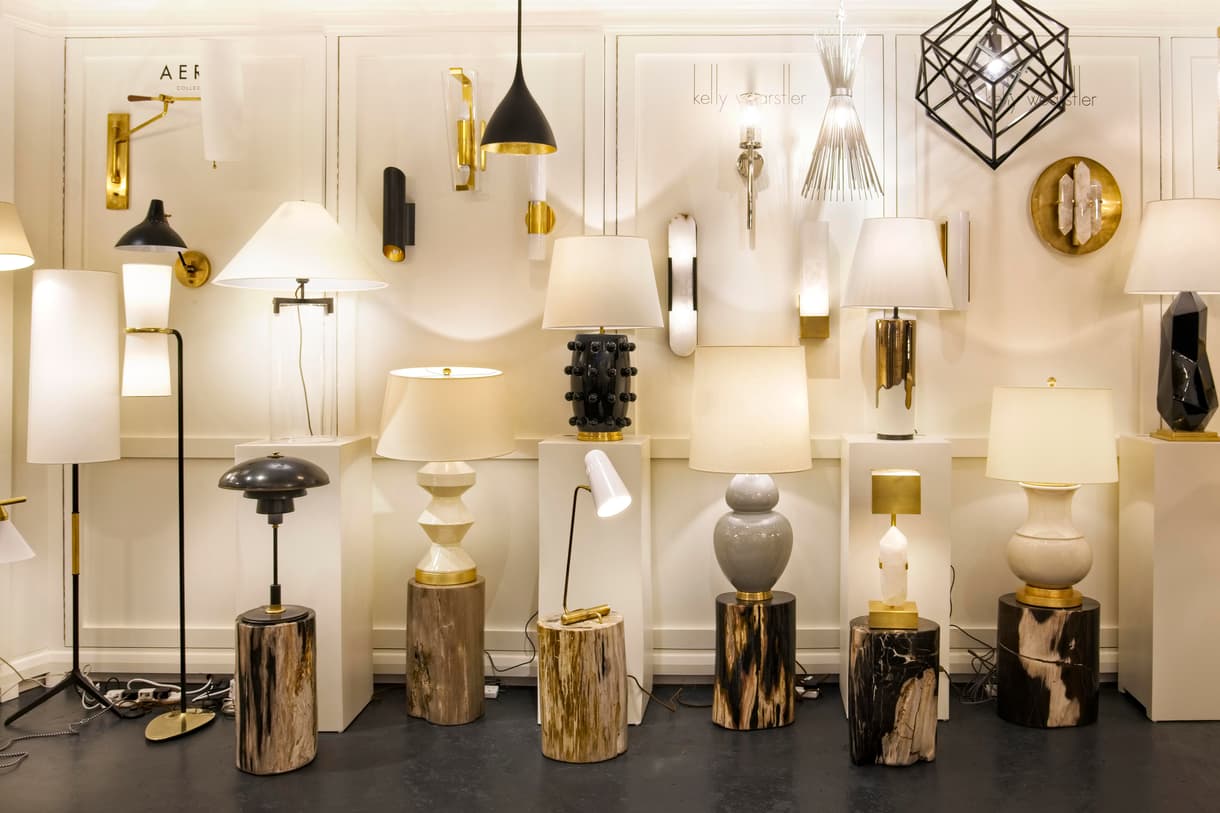
When it comes to selecting the perfect lighting fixtures for every room, the first step is to consider the function and mood you want to achieve. For example, a cozy living room might benefit from warm, ambient lighting, while a home office may require brighter, task-oriented lights. Begin by evaluating the size and layout of each room. A larger space can accommodate statement pieces such as a chandelier, while smaller rooms might be better suited for wall sconces or pendant lights. Additionally, consider using a combination of overhead lighting, task lighting, and accent lighting to create a layered effect that enhances both functionality and aesthetics.
Next, think about the style and design of your lighting fixtures to ensure they complement your existing decor. For modern and minimalist interiors, sleek and simple designs may work best, while more traditional spaces might benefit from ornate fixtures. Don’t forget to take into account the color temperature of the bulbs you choose—you'll want warmer tones for relaxation spaces and cooler tones for work areas. Finally, remember to incorporate dimmers for versatility, allowing you to adjust the brightness as needed. With these tips in mind, you can confidently illuminate your home, creating spaces that are not only functional but also inviting and stylish.
What Are the Benefits of Layered Lighting in Home Design?
Layered lighting is an essential aspect of home design that involves combining various types of lighting to create a well-balanced and functional space. By incorporating multiple light sources, homeowners can achieve a harmonious atmosphere that enhances the aesthetic appeal of any room. The benefits of layered lighting include improved visibility, increased comfort, and greater versatility. For instance, using ambient lighting as the foundation ensures there is enough illumination for everyday activities, while task lighting can highlight specific areas such as workspaces or reading nooks. Additionally, accent lighting can draw attention to architectural features or artwork, providing an added dimension to the overall design.
Another significant advantage of layered lighting is its ability to influence the mood and ambiance of a room. By adjusting the various layers, homeowners can easily create different atmospheres depending on the occasion. For example, a warm and cozy environment can be achieved during movie nights with dimmed lights and strategically placed lamps, while a bright and energizing atmosphere can be set for gatherings or entertaining guests. Furthermore, utilizing smart lighting systems allows for even greater control, enabling users to change the intensity and color of the light to suit their preferences. In summary, embracing layered lighting in home design not only enhances functionality but also elevates the overall experience of your living space.