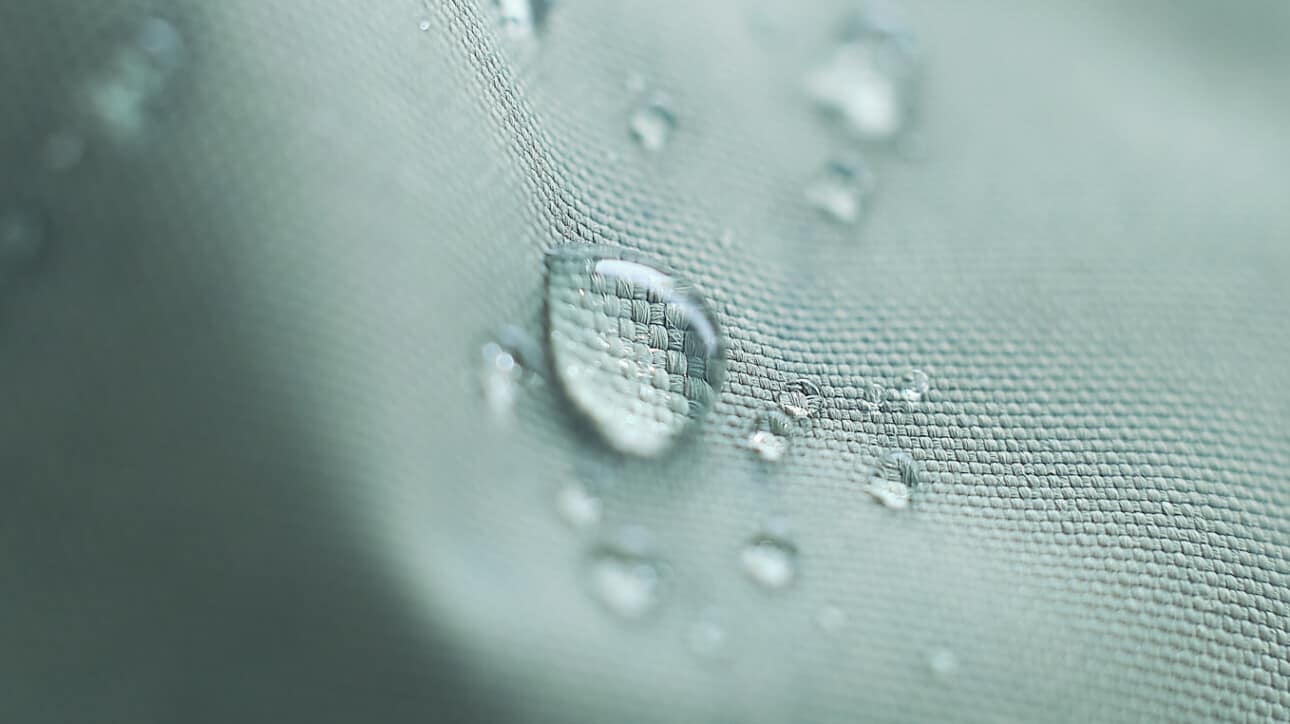
The Science of Nylon: How This Versatile Material Transforms Everyday Products
Nylon is a synthetic polymer that has revolutionized the manufacturing and textile industries since its introduction in the 1930s. Unlike natural fibers, nylon is created through a chemical process known as polymerization, where long chains of repeating units called monomers are formed. This unique structure gives nylon an array of desirable properties, such as high tensile strength, elasticity, and resistance to abrasion and chemicals, making it an ideal choice for a variety of applications. Some common products that incorporate nylon include clothing, ropes, carpets, and components in automobiles.
One of the most remarkable aspects of nylon is its versatility; it can be manufactured in various forms, such as fibers, films, and molded parts. This adaptability allows designers and manufacturers to utilize nylon in innovative ways, enhancing the functionality and durability of everyday products. For instance, in the fashion industry, nylon's lightweight and quick-drying properties make it popular for athletic wear and outdoor gear. In addition, nylon is extensively used in the production of medical devices and industrial components, showcasing its ability to meet the demands of various sectors while contributing to sustainability efforts through recycling and improved manufacturing processes.
Counter-Strike is a highly popular first-person shooter game that has captivated gamers worldwide since its initial release. The game pits teams of terrorists against counter-terrorists in various objective-based missions. Players can choose from a wide range of tactical approaches to achieve their goals, and the competitive nature of the game has led to a thriving esports scene. For those who are looking to stay active, check out the Top 10 Apple Watch Bands for Sweating to find the best gear for both gaming and fitness.
10 Surprising Uses of Nylon You Never Knew About
Nylon is often associated with clothing, but its uses extend far beyond the typical pair of tights or jacket. One fascinating application of nylon is in the field of engineering, where it serves as an essential material for producing gears, bearings, and even automotive parts. The high strength and flexibility of nylon make it ideal for these applications, allowing manufacturers to create components that are both lightweight and durable. Another surprising use of nylon is in fishing nets. Nylon fibers are incredibly strong and resistant to abrasion, making them suitable for constructing reliable nets that can withstand the harsh conditions of the water.
Beyond its practical applications, nylon has found a unique niche in the art world. Some artists utilize discarded nylon materials to create stunning sculptures and installations, showcasing the versatility of this synthetic polymer. Moreover, did you know that nylon can also be used in the creation of musical instruments? The strings of certain string instruments, such as violins and guitars, can be made from nylon, providing a distinct sound quality that many musicians appreciate. From engineering to art, the surprising uses of nylon highlight its versatility and importance in various industries.
Why Nylon is the Unsung Hero in Sustainable Fashion
Nylon has long been viewed as a synthetic villain in the fashion industry, yet this versatile fiber is emerging as an unsung hero in the realm of sustainable fashion. Traditionally associated with environmentally harmful production processes and a significant carbon footprint, innovations in nylon manufacturing are changing the narrative. Brands are increasingly adopting recycled nylon, derived from pre-existing materials like fishing nets and fabric scraps, effectively reducing waste and energy consumption while offering a durable and stylish alternative to conventional fabrics. By investing in recycled nylon, fashion labels are not only minimizing their ecological impact but also promoting a circular economy that encourages responsible consumption.
Moreover, nylon's resilience and longevity are key factors in its sustainable credentials. Unlike many other materials, nylon can withstand the test of time, resisting wear and tear from everyday use. This durability inherently lowers the frequency of replacements required, which is essential in an era where fast fashion's detrimental effects on the environment are evident. As consumers become increasingly aware of their purchasing choices, nylon offers an appealing solution—fashionable items that provide longevity without compromising style. In conclusion, it is time to acknowledge nylon as a critical player in the ongoing conversation around sustainable fashion, showcasing how innovative practices can help reconcile style with environmental responsibility.