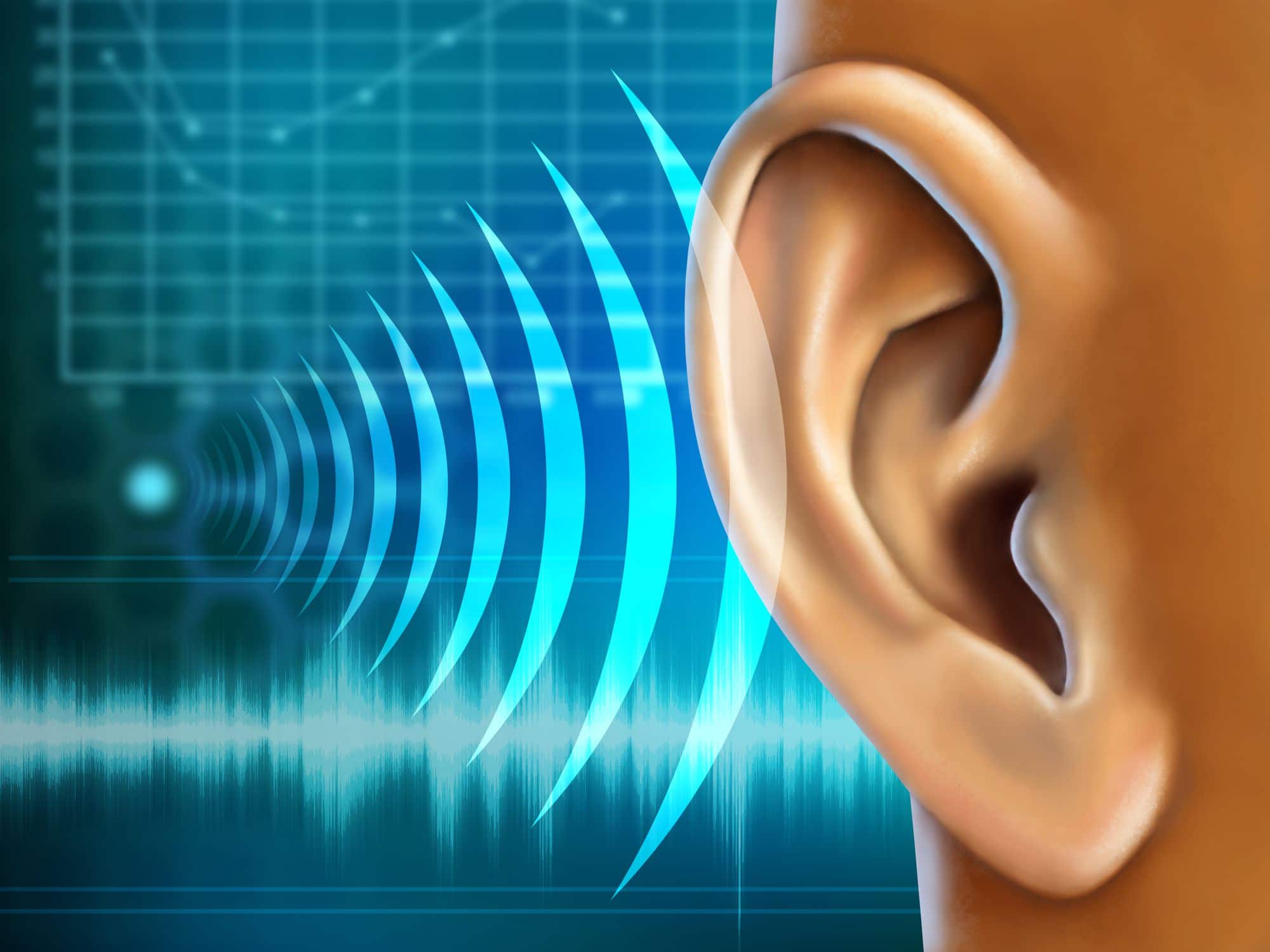
How Do Sound Waves Influence Our Emotions and Perceptions?
Sound waves play a significant role in shaping our emotions and perceptions, acting as a powerful trigger for various psychological responses. Research has shown that different frequencies and amplitudes of sound can evoke a wide range of feelings, from joy and excitement to sadness and nostalgia. For instance, fast-paced music often increases energy levels and stimulates feelings of happiness, while slower, softer sounds might foster relaxation and a sense of calm. This phenomenon reflects how the human brain interprets sound waves, linking them to specific emotions and situations based on our experiences.
Moreover, sound waves can influence our perceptions in more nuanced ways. For example, in therapeutic settings, certain sound frequencies are used to promote healing and emotional well-being. Techniques such as sound therapy and music therapy harness the power of sound waves to help individuals process their feelings and enhance their mental health. Additionally, environmental sounds—ranging from nature's soothing melody to the hustle and bustle of city life—can dramatically affect our mood and perception of our surroundings. Thus, understanding the connection between sound waves and our emotional landscape is crucial in both personal and therapeutic contexts.
If you're looking to enhance your audio experience on the go, check out the Top 10 Bluetooth Portable Speakers. These devices combine convenience and quality, making them perfect for outdoor gatherings, beach trips, or simply enjoying music around the house. With features like water resistance, long battery life, and superior sound quality, these speakers cater to every listener's needs.
Exploring the Science Behind Sound Waves: What Makes Them So Powerful?
Sound waves are an incredible phenomenon that play a significant role in our everyday lives. These waves are created by vibrations that travel through various media, such as air, water, and solids, allowing us to perceive sound. The science behind sound waves is rooted in physics, involving concepts like frequency, amplitude, and wavelength. Frequency determines the pitch of the sound, while amplitude influences its loudness. Together, these characteristics shape our auditory experience, making some sounds soothing and others jarring.
The power of sound waves extends far beyond our ability to hear. They can evoke emotions, trigger memories, and even influence physiological responses. For instance, medical applications utilize ultrasound technology, which harnesses sound waves for imaging and therapeutic purposes. Additionally, research has shown that sounds in nature, such as birds singing or waves crashing, can have restorative effects on mental health. As we explore this fascinating field, it becomes clear that understanding sound waves not only enhances our comprehension of the physical world but also enriches our emotional and psychological well-being.
The Role of Sound Waves in Everyday Life: From Music to Communication
Sound waves play a crucial role in our everyday lives, influencing how we experience the world around us. From the **music** that entertains us to the conversations we engage in, sound waves are a fundamental aspect of communication. These waves, which are created by vibrating objects, can travel through various mediums such as air, water, and solids, allowing us to perceive sounds at different frequencies and amplitudes. For example, the rhythm and melody of a favorite song invoke powerful emotions, while the ability to communicate effectively relies on our understanding of speech sounds.
In addition to their impact on **communication** and **music**, sound waves are also essential in various industries. For instance, medical professionals utilize ultrasound technology to visualize internal organs, while engineers design soundproof rooms to enhance productivity. Furthermore, sound waves are employed in **sonar** technology to detect underwater objects, illustrating their versatility across fields. As we continue to explore the science of sound, its importance in our daily activities, entertainment, and technological advancements becomes increasingly clear.