How Smart Gadgets Are Redefining Human Connection
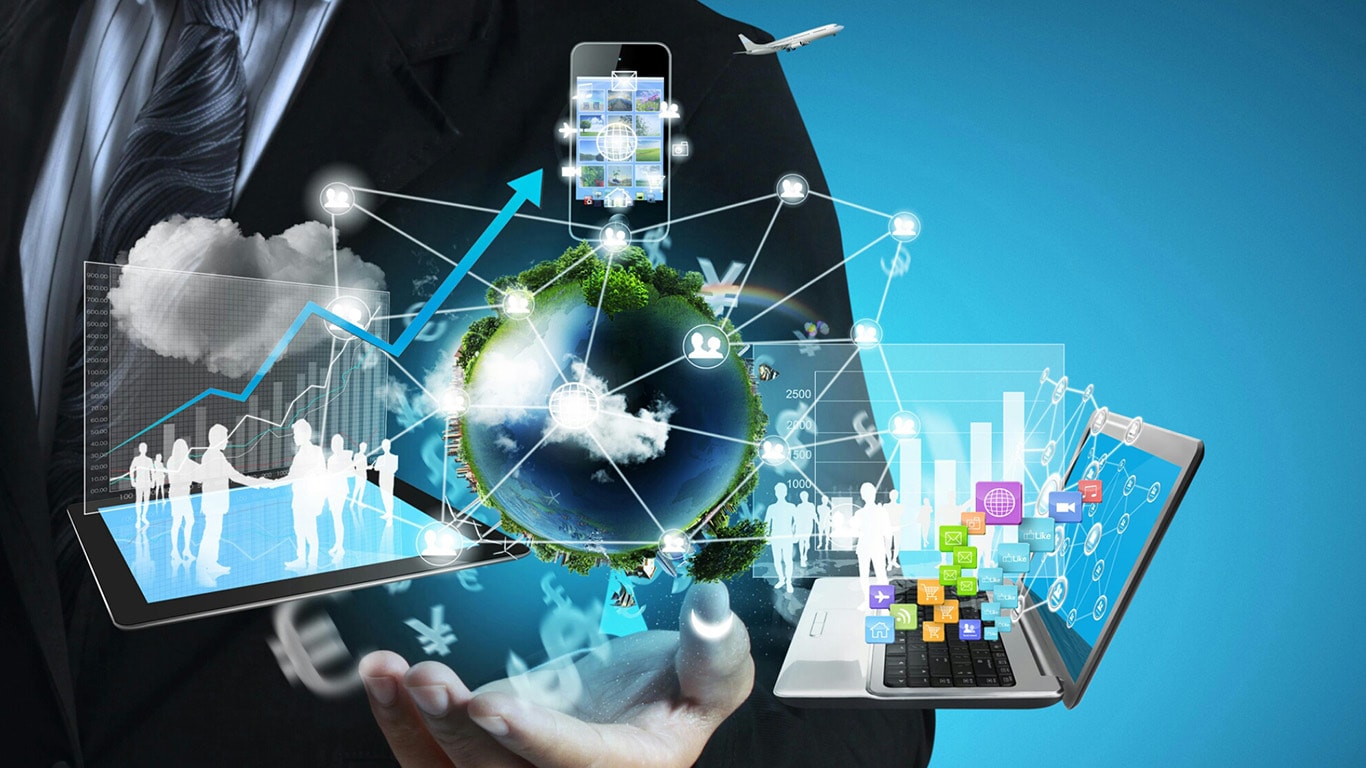
In today's fast-paced digital age, smart gadgets are revolutionizing the way we connect with one another. From smartphones to wearable technology, these devices have become integral to our daily lives, enabling instant communication and facilitating seamless interactions. With the rise of social media and messaging apps, it's now easier than ever to stay in touch with friends and family across the globe. However, the impact of these smart gadgets goes beyond mere convenience; they are reshaping human connection by fostering a sense of community and belonging in ways that were previously unimaginable.
Moreover, the integration of smart gadgets into our social interactions has given rise to new forms of expression and creativity. For instance, video calls and live streaming have transformed how we share experiences, allowing us to connect in real-time, regardless of physical distance. As we leverage technology to enhance our relationships, it's crucial to strike a balance between virtual and real-world connections. Embracing these smart devices can enrich our lives, but we must also remain mindful of fostering genuine human interactions that bring us closer together, both online and offline.
Counter-Strike is a popular tactical first-person shooter game that pits teams of terrorists against counter-terrorists in various objective-based scenarios. Players must work together, using strategy and skill, to complete missions or eliminate the opposing team. For gamers seeking to enhance their outdoor experiences while cycling, check out the Top 10 Bike GPS Trackers to ensure they stay on track during their rides.
The Role of Wearable Technology in Modern Health Trends
Wearable technology has rapidly evolved into a cornerstone of modern health trends, enabling individuals to monitor their fitness levels, sleep patterns, and overall well-being with unprecedented accuracy. Devices such as smartwatches and fitness trackers have made it easier for users to set specific health goals and track their progress in real-time. This integration of technology into daily life promotes a proactive approach to health, encouraging users to engage in regular physical activity and maintain balanced lifestyles. Wearable technology not only provides immediate feedback but also fosters a sense of community among users, as many devices offer social sharing features that connect people with similar health aspirations.
Moreover, the data collected by wearable technology plays a crucial role in preventive health care and chronic disease management. For instance, continuous monitoring of vital signs can alert users to potential health issues before they become serious, facilitating early intervention. Health care professionals can also leverage this data to personalize treatment plans, improving patient outcomes. As technology continues to advance, we can expect even more sophisticated features, such as AI-driven insights and telehealth integration, further solidifying the impact of wearable technology in shaping modern health trends.
Are We Too Dependent on Tech? Exploring the Societal Impacts of Gadgets
The question of whether we are too dependent on tech is becoming increasingly relevant in today's society. With gadgets like smartphones, tablets, and smart home devices playing a central role in our daily lives, it’s essential to explore their societal impacts. On one hand, technology has revolutionized communication, education, and healthcare, making information more accessible than ever before. However, this dependency raises concerns about our interpersonal relationships and mental health. For instance, studies show a correlation between excessive gadget use and increased feelings of isolation and anxiety among individuals, particularly younger generations.
Furthermore, our reliance on technology might be influencing critical skills that were once taken for granted. For example, the prevalence of GPS-driven navigation has diminished our ability to read maps and understand directions, while autocorrect functions have made us reliant on digital tools for proper spelling and grammar. This over-dependence could have significant long-term effects on our cognitive skills and problem-solving abilities. As we delve deeper into this topic, it’s crucial to address the balance between leveraging technological advancements for convenience and ensuring that we don’t lose our fundamental human skills and connections.