5 Essential Tips for Enhancing Your Audio Experience
Enhancing your audio experience is crucial for enjoying your favorite music, podcasts, and movies to the fullest. Here are 5 essential tips that can significantly improve your sound quality:
- Invest in Quality Headphones: The headphones you use can make a substantial difference. Look for options with good sound isolation and comfort for prolonged listening sessions.
- Optimize Your Audio Settings: Whether you're using a computer or a mobile device, check your audio settings. Adjust the equalizer to suit your preferences, and make sure your software is up-to-date to avoid any sound issues.
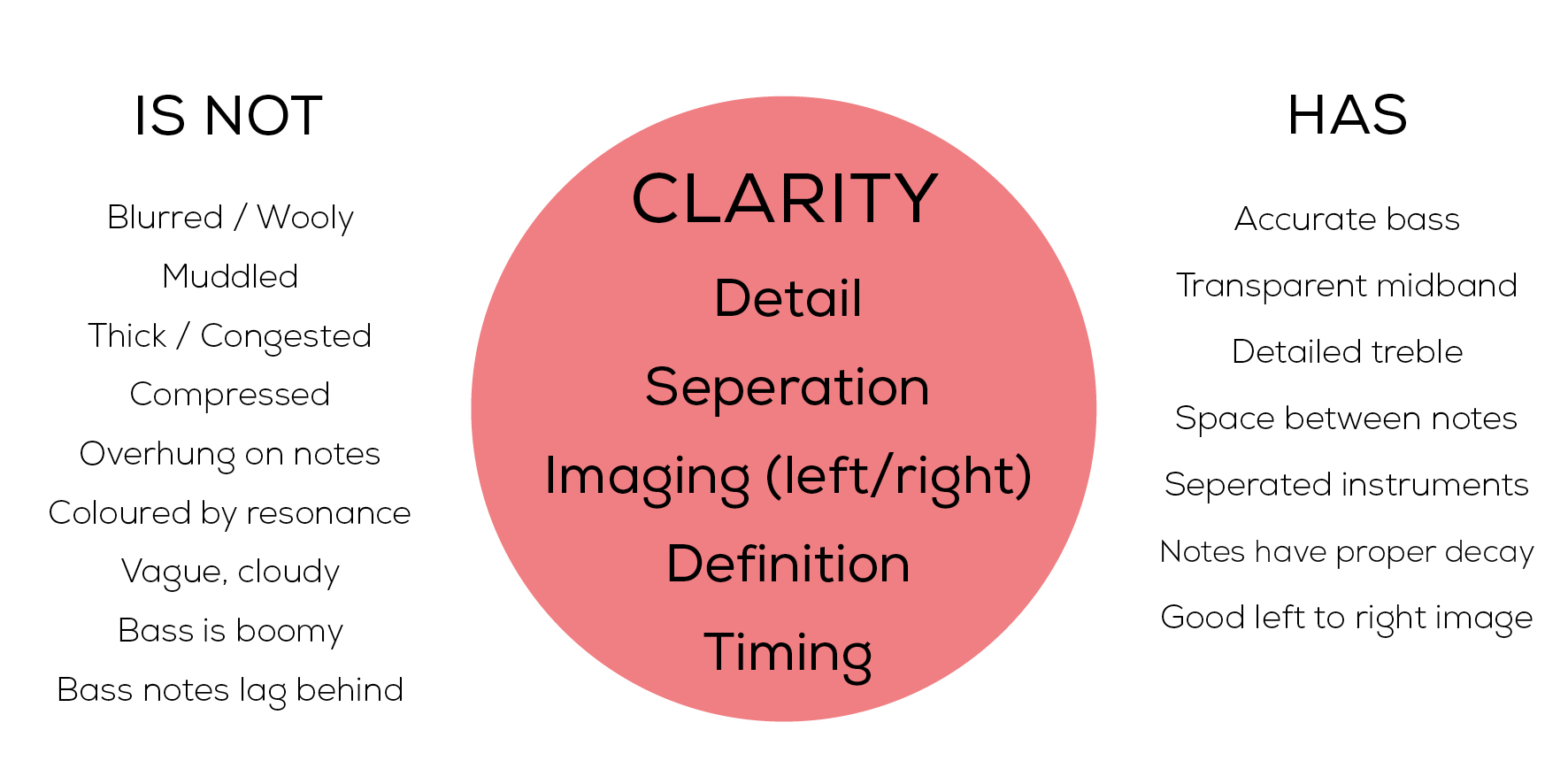
Furthermore, consider the environment in which you listen. Acoustic treatments can help minimize background noise and enhance sound clarity. Also, explore hi-res audio formats to unlock the full potential of your audio files. Lastly, don't underestimate the impact of streaming quality — opt for the highest bitrate available to improve your overall audio experience.
- Utilize External DACs: Digital-to-Analog Converters (DACs) can upgrade your audio setup significantly. They offer better sound quality compared to built-in components in most devices.
- Experiment with Surround Sound: If you're a movie buff, enabling surround sound or stereo enhancement features can transform your viewing experience, creating a more immersive atmosphere.
Counter-Strike is a highly popular first-person shooter game that pits teams of terrorists against counter-terrorists in a variety of game modes. With its strategic gameplay and emphasis on teamwork, it has become a staple in the esports community. Players often seek improvements in their vlogging setup to share their gameplay experiences, and if you're looking for the best gear, check out the Top 10 Mobile Vlogging Accessories to enhance your content creation.
How to Choose the Right Headphones for Superior Sound Clarity
Choosing the right headphones for superior sound clarity is essential for audiophiles and casual listeners alike. With a myriad of options available, it's important to consider several factors that contribute to the overall listening experience. Firstly, sound drivers are crucial; larger drivers typically produce richer bass and overall sound fidelity. Additionally, lest we forget, headphone design plays a significant role in sound isolation. Over-ear models generally provide better passive noise cancelation, allowing you to immerse yourself fully in your music.
Moreover, when selecting headphones, impedance and sensitivity should not be overlooked. A higher impedance often means better sound quality but may require a dedicated amplifier. On the other hand, sensitivity indicates how loud headphones can go with a given amount of power. Lastly, don't forget to read user reviews or expert opinions to find the perfect match for your auditory preferences. When you carefully evaluate these aspects, you can confidently choose headphones that deliver superior sound clarity.
What Are the Best Audio Formats for Crisper Sound Quality?
When it comes to achieving crisper sound quality, the choice of audio format plays a crucial role. Among the best formats, FLAC (Free Lossless Audio Codec) stands out for its ability to deliver CD-quality sound without any loss of data. This format compresses audio without losing any quality, making it perfect for audiophiles who value fidelity. Another excellent option is WAV (Waveform Audio File Format), which is known for its uncompressed nature, resulting in high-quality audio that captures every detail. However, WAV files can be quite large, so they may not be the best choice for portable devices or streaming.
In addition to FLAC and WAV, ALAC (Apple Lossless Audio Codec) is another great choice, particularly for users within the Apple ecosystem. It offers similar lossless compression capabilities as FLAC but is optimized for compatibility with Apple's software and devices. For those who prefer lossy formats, MP3 and AAC (Advanced Audio Codec) are popular choices that provide a good balance between sound quality and file size. While they do compress audio data, high-bitrate versions of MP3 and AAC can still deliver a crisper sound experience for casual listeners.