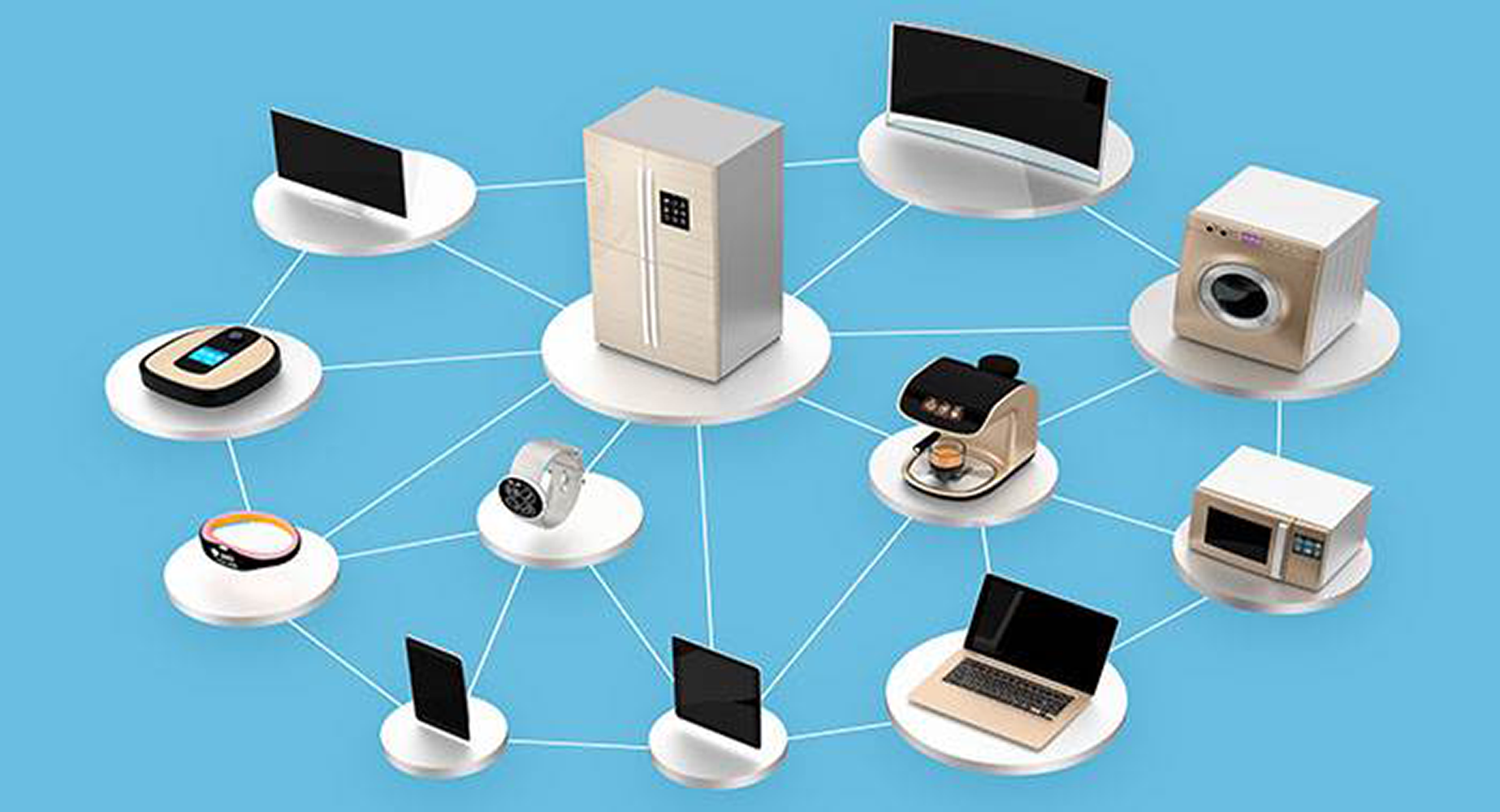
How Smart Devices Are Transforming Our Daily Lives
In today's fast-paced world, smart devices have become an integral part of our daily routines, revolutionizing the way we live, work, and communicate. From smart speakers that manage our schedules to wearable fitness trackers that monitor our health, these devices enhance convenience and efficiency. For instance, a simple voice command to a device like Amazon Echo or Google Nest can control lighting, play music, or even provide real-time updates on weather and traffic. As a result, users are experiencing a level of automation that streamlines their day-to-day activities and frees up valuable time.
The impact of smart devices extends beyond convenience; they are also transforming the concept of home and personal security. Smart home systems enable users to monitor their properties remotely, offering peace of mind through real-time alerts and surveillance. Additionally, the integration of IoT (Internet of Things) technology allows devices to communicate and work seamlessly together, creating a holistic smart home experience. As we continue to embrace technological advancements, the transformative power of smart devices will only grow, shaping the future of how we interact with our surroundings and improve our quality of life.
Counter-Strike is a highly popular multiplayer first-person shooter game that has captivated gamers since its launch in 1999. Known for its team-based gameplay and tactical depth, it pits terrorists against counter-terrorists in various objective-based scenarios. Players can enhance their gaming experience with essential peripherals and gadgets, such as the Top 10 Nightstand MagSafe Chargers, which provide convenient charging solutions during long gaming sessions.
Exploring the Benefits of Digital Co-Pilots in Everyday Tasks
In today's fast-paced digital landscape, digital co-pilots are transforming the way we approach everyday tasks. These intelligent tools, powered by advanced AI algorithms, assist users in streamlining their workflows, thereby enhancing productivity and efficiency. From scheduling appointments to managing emails, digital co-pilots can automate repetitive tasks, allowing individuals to focus on more strategic activities. For instance, a digital co-pilot can analyze your calendar and suggest optimal meeting times, reducing the back-and-forth typically associated with arranging gatherings. This type of support not only saves time but also minimizes the cognitive load on users, fostering a more balanced work-life routine.
Moreover, digital co-pilots offer personalized recommendations, making them invaluable in everyday decision-making. By harnessing user data and preferences, these tools can suggest various options tailored to individual needs. For example, when planning meals, a digital co-pilot can provide recipe inspirations based on dietary restrictions and available ingredients. This level of customization not only enhances user experience but also encourages healthier habits and better organization. As technology continues to evolve, integrating digital co-pilots into our daily routines will undoubtedly lead to improved efficiency and a more seamless lifestyle.
Are We Ready for a Future with AI Co-Pilots?
The rise of artificial intelligence has sparked conversations about the potential of AI co-pilots in various fields, from aviation to software development. As we stand on the brink of this technological revolution, it's vital to consider whether we are truly ready for a future with AI co-pilots. These advanced systems promise to enhance human capabilities, automate mundane tasks, and improve efficiency. However, this integration also raises important questions about trust, ethics, and the impact on employment and decision-making processes.
To prepare for a future where AI co-pilots are commonplace, we must focus on several key areas: education, regulation, and public perception. First, educating the workforce on AI technologies can demystify these systems and foster acceptance. Next, establishing regulations that ensure ethical AI use will protect users while encouraging innovation. Lastly, addressing public concerns through transparent communication will help build trust in AI co-pilots, paving the way for a smoother transition into this new era.