How Does CSGO Matchmaking Work? A Comprehensive Guide
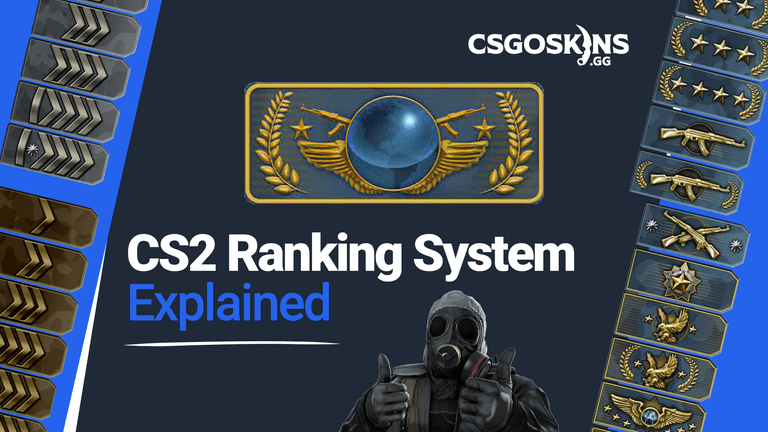
Counter-Strike: Global Offensive (CSGO) matchmaking is a crucial part of the game's competitive environment, designed to pair players of similar skill levels in an effort to create a fair and balanced gaming experience. The matchmaking system uses the Glicko-2 rating system, where players are assigned a rank based on their performance in competitive matches. This ranking fluctuates based on wins, losses, and individual player contributions, such as kills, deaths, and assists. Prior to joining a match, players must complete a placement match that helps determine their initial rank.
Once players are placed in the matchmaking queue, the system evaluates their rank alongside various factors like regional latency and team composition. CSGO's matchmaking system aims to assemble teams that not only have similar rank levels but also consider individual player skills and previous match performance. Players can check their matchmaking history and rankings through the in-game interface, allowing for a better understanding of how their skills are perceived over time. This comprehensive approach is intended to promote a competitive atmosphere while enhancing the overall gaming experience for all players.
Counter-Strike is a popular tactical first-person shooter game that emphasizes team play and strategy. Players can enhance their gaming experience by customizing their character’s appearance, including various gloves. The game features different modes and maps, keeping the gameplay fresh and exciting.
Top 10 Tips to Improve Your CSGO Matchmaking Experience
Improving your CSGO matchmaking experience can greatly enhance your enjoyment of the game and lead to better performance in matches. Here are some essential tips to consider:
- Communicate Effectively: Use your microphone to share information with teammates. Call out enemy locations, strategize plays, and maintain an open dialogue to coordinate efforts.
- Warm Up Before Matches: Spend time in aim training maps or casual games to refine your shooting skills and reflexes before jumping into rank matches.
- Play with Friends: Teaming up with friends can significantly improve coordination and morale, making matches more enjoyable.
- Understand the Maps: Familiarize yourself with each map’s layout, callouts, and common hiding spots. This knowledge is invaluable for both attacking and defending.
- Focus on Your Role: Learn the nuances of your chosen role—be it entry fragger, support, or AWPer—and fulfill your responsibilities to contribute to the team’s success.
- Maintain a Positive Attitude: Stay calm and composed even when matches aren’t going your way. A positive mindset can turn the tide in close games.
- Review Your Gameplay: Record your matches and analyze them to identify areas for improvement, whether it’s aim, positioning, or decision-making.
- Adjust Your Settings: Optimize your game settings, including sensitivity, resolution, and key binds, to find a configuration that feels comfortable for you.
- Stay Aware of Updates: Keep an eye on patch notes and meta shifts; understanding the current state of the game can give you a tactical edge.
- Practice Good Sportsmanship: Respect your opponents and teammates. A courteous approach promotes a healthy gaming environment and can make matches more enjoyable.
What Are the Most Common Misconceptions About CSGO Ranks?
Counter-Strike: Global Offensive (CS:GO) has a complex ranking system that often leads to misconceptions among players. One of the most common myths is that rank directly correlates to a player's skill level. While ranks give a rough estimate of a player's ability, factors like teamwork, communication, and game sense also play a critical role in overall performance. Many players believe that simply reaching a higher rank guarantees superior gameplay, but in reality, a player's effectiveness in a match also depends on their tactical understanding and cooperation with teammates.
Another prevalent misconception is that ranked matchmaking is entirely fair. Some players assume that if they consistently win, they will quickly climb the ranks, but the matchmaking system is designed to balance teams based on several factors, including player behavior and performance metrics. As a result, players may find themselves matched against opponents of varying skill levels, which can lead to frustration. Furthermore, the belief that players can easily derank on losing streaks oversimplifies the ranking algorithm; it assesses multiple factors across several games before making adjustments to a player's rank.