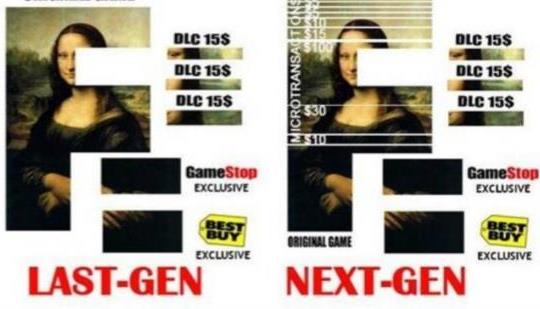
Understanding Microtransactions: How They Resemble Gambling Mechanics
In recent years, the debate surrounding microtransactions in video games has intensified, often drawing parallels to established gambling mechanics. At their core, microtransactions enable players to purchase virtual goods or benefits with real money, effectively allowing them to enhance their gaming experience. This model is particularly prevalent in mobile games and free-to-play titles, where users can spend small amounts to gain advantages or acquire cosmetic items. However, critics argue that this system can exploit vulnerable players, much like traditional gambling, by encouraging repeated spending for the chance of enhanced enjoyment or success.
The resemblance to gambling becomes more evident when examining features such as loot boxes, which offer randomized in-game rewards for a price. Players often find themselves drawn into a cycle of spending in hopes of obtaining rare and desirable items, similar to placing bets in a casino. This gambling mechanic creates a compelling yet risky dynamic, where the thrill of possibility can overshadow the reality of financial expenditure. As regulatory bodies begin to take notice, the conversation continues to evolve around the ethics of microtransactions and their impact on both the gaming industry and consumer behavior.
Counter-Strike is a highly popular first-person shooter game series that emphasizes teamwork and strategy. Players take on the roles of terrorists or counter-terrorists in various game modes, completing objectives or eliminating the opposing team. For those looking to enhance their gaming experience, using a rollbit promo code can provide exciting in-game benefits.
The Impact of Microtransactions on Gaming: Are They a Form of Gambling?
The rise of microtransactions in gaming has transformed the landscape of how players interact with their favorite titles. While initially designed to enhance gameplay and offer customization options, many critics argue that microtransactions can often resemble elements of gambling. Players can be tempted to spend real money for in-game currency or randomized loot boxes, which creates a game of chance as the outcome isn’t guaranteed. This mechanic raises ethical questions about whether developers are exploiting vulnerable players who may not fully grasp the implications of spending money in this manner.
Studies have indicated that players, especially younger demographics, are susceptible to the allure of microtransactions, often blurring the lines between casual gaming and gambling. The impact of microtransactions extends beyond just financial implications; it affects player satisfaction and engagement. Many gamers argue that while spending money might enhance their experience, it also fosters a divide within communities, creating a pay-to-win environment that some deem unfair. As the debate continues, it’s crucial for both developers and players to consider the long-term effects of microtransactions on the gaming industry as a whole.
Are Microtransactions Putting Your Wallet at Risk? Exploring the Debate
Microtransactions have become a dominant feature in the gaming industry, often generating significant revenue for developers, but they also raise crucial concerns for consumers. Many gamers argue that these microtransactions are designed to capitalize on the thrill of gameplay, leading to impulsive purchases that can quickly accumulate. The debate hinges around whether these practices exploit players’ emotions, making it easy for individuals to unknowingly overspend. As the gaming landscape evolves, it’s essential to evaluate how microtransactions can put your wallet at risk and whether the benefits of added content outweigh the potential financial pitfalls.
Critics also highlight the trend of pay-to-win mechanics, where players who spend more have significant advantages over those who opt to play without spending extra money. This practice not only affects the gaming experience but also raises ethical questions about fairness and accessibility. As gaming companies continue to implement more aggressive monetization strategies, consumers must remain vigilant. Being informed about how microtransactions work can empower players to make conscious choices and avoid falling into the trap of overspending.