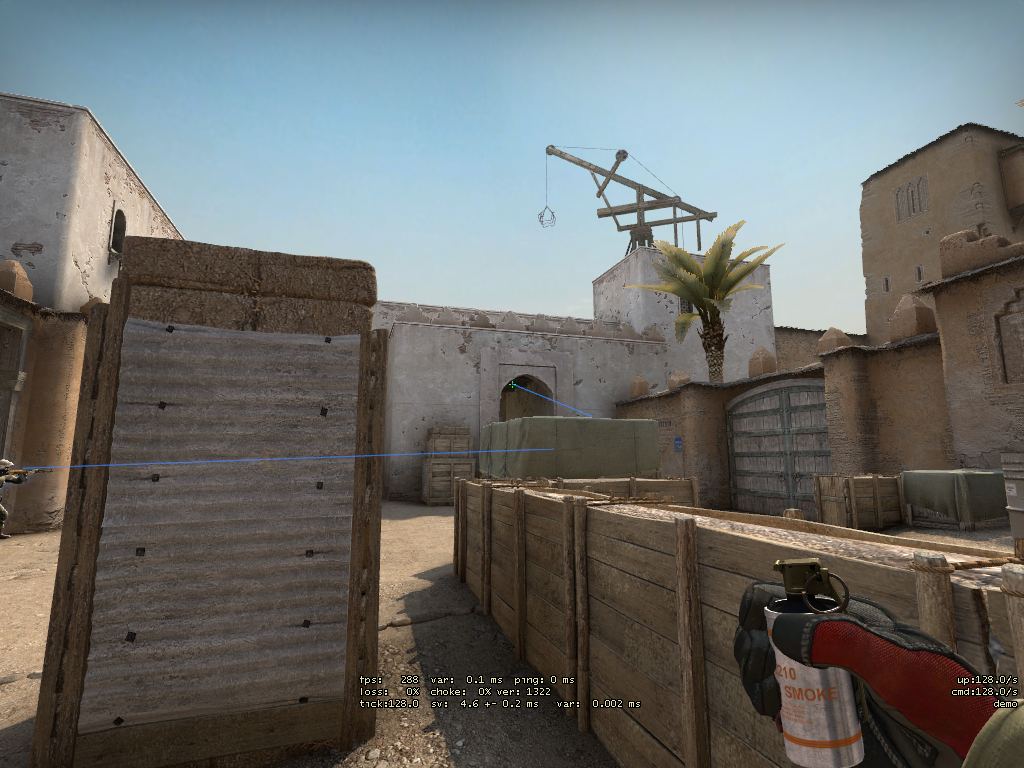
Mastering Utility Usage: Key Timing Techniques for CS2 Success
In Counter-Strike 2 (CS2), mastering the utility usage is crucial for gaining a competitive edge. Understanding when and how to deploy your utilities can significantly impact the outcome of a match. Start by prioritizing teamwork; communicate with your teammates about your utility usage to ensure effective coordination. For instance, using smokes to block enemy sight lines or flashes to disorient opponents can create openings for your team. Remember the importance of timing; deploying a smoke grenade just as your team initiates an attack can maximize its effectiveness and minimize the likelihood of being countered.
Moreover, practicing key timing techniques can elevate your gameplay in CS2. Here are a few strategies to consider:
- Create a Utility Economy: Monitor your utility status and avoid wasting grenades early in the match.
- Set Up for Mixing: Combine utilities with weapons to create confusion during engagements.
- Practice Timing Drills: Regularly engage in drills that focus on precise timing for deploying utilities in various scenarios.
Counter-Strike is a popular tactical first-person shooter game that pits two teams against each other: the Terrorists and the Counter-Terrorists. Players can choose from a variety of weapons to complete objectives, including the P250, which is a powerful pistol favored for its high damage and affordability. The game's strategic depth and competitive scene have made it a staple in esports.
How to Anticipate Enemy Movements with Strategic Utility Timing
In competitive environments, whether in gaming, business, or military strategy, the ability to anticipate enemy movements is crucial. One effective method to accomplish this is through strategic utility timing, which involves deploying resources or executing actions at pivotal moments to gain a tactical advantage. By carefully analyzing the opposition's patterns and timing your interventions, you can create openings that exploit their weaknesses. For instance, understanding when your opponent is likely to execute a move allows you to counter effectively. Consider utilizing tools such as heat maps or trend analysis to identify these pivotal moments, enhancing your predictive capabilities and making your actions more impactful.
To implement strategic utility timing effectively, focus on these key steps:
- Observation: Diligently track the habits and behaviors of your adversaries over time.
- Analysis: Assess and interpret the data to identify predictable movements or changes in strategy.
- Timing: Execute your strategies at moments when your enemy is least prepared or vulnerable, leveraging their own timing against them.
By mastering these steps, you can not only anticipate enemy movements but also position yourself to respond proactively, ensuring that you stay one step ahead in any competitive scenario.
Is Your Utility Timing Costing You Matches? Find Out How to Improve!
In the world of competitive sports, utility timing can often be the difference between winning and losing a match. Many athletes underestimate how crucial their timing is in executing strategies and making plays. A common mistake is a failure to align training schedules with competitive events, leading to mismatched performance levels. This mismanagement not only affects physical readiness but can also result in missed opportunities during crucial moments in matches. To assess whether your utility timing is negatively impacting your performance, consider tracking your time management methods against your match outcomes. Are you consistently underperforming after late-night training sessions? If so, it might be time to adjust your routine.
Improving your utility timing involves a multi-faceted approach. Start by implementing the following steps:
- Analyze Your Current Schedule: Document your training times and performance in matches to identify patterns.
- Set Goals: Establish clear objectives for both training and matches, ensuring alignment of your cognitive and physical readiness.
- Prioritize Recovery: Incorporate adequate rest periods to optimize performance during matches.