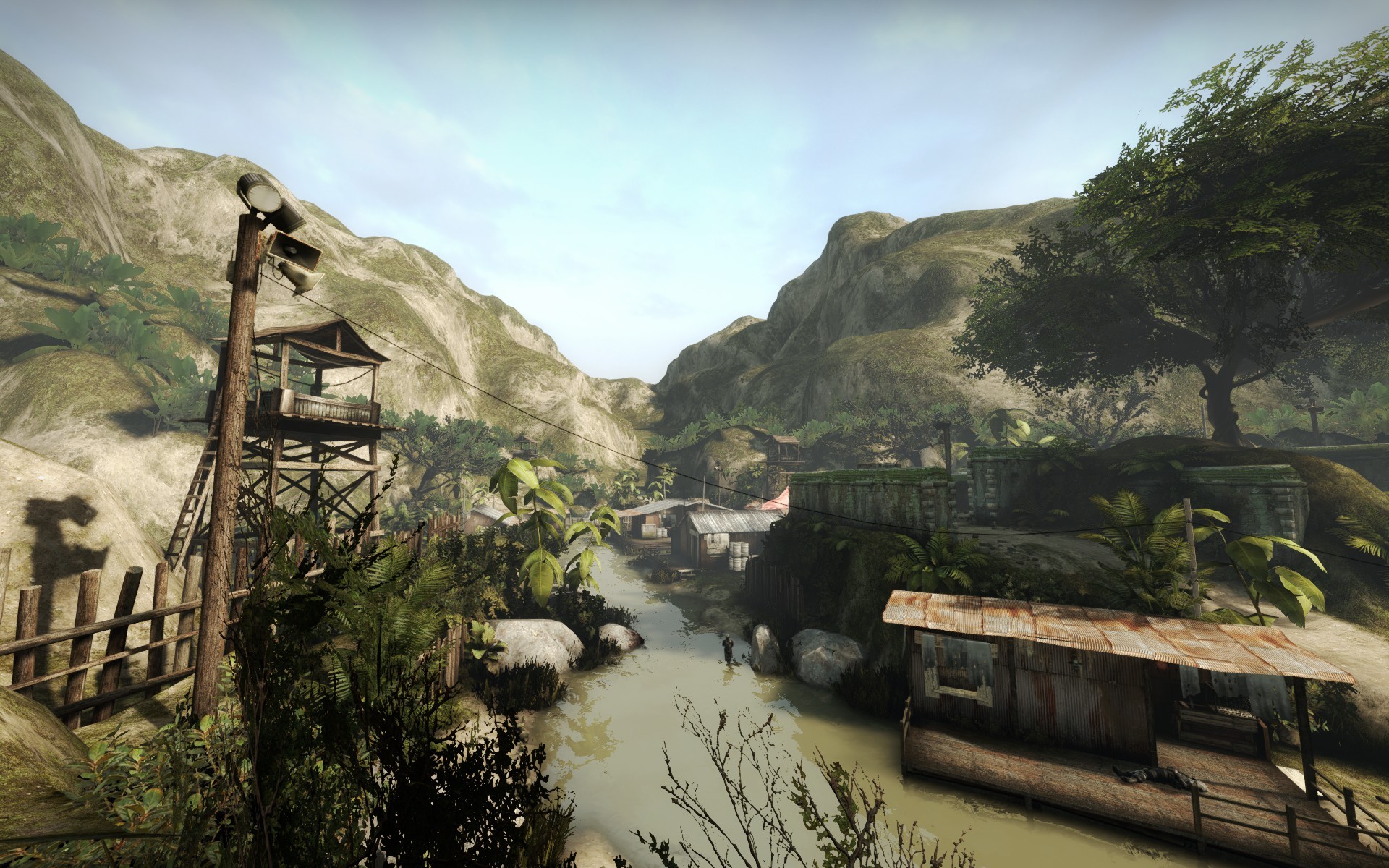
Understanding the Mechanics of CS:GO Hostage Maps: A Deep Dive
In the world of competitive gaming, Counter-Strike: Global Offensive (CS:GO) offers a myriad of maps, each designed with unique mechanics and strategies. Among these, hostage maps play a crucial role in diversifying gameplay and enhancing player interaction. Hostage maps challenge players to not only focus on eliminating opponents but also on rescuing hostages, adding layers of complexity to the objectives. Understanding the mechanics behind these maps requires an analysis of layout design, player spawn points, and tactical positioning. For instance, effective communication and teamwork are vital to successfully navigate the intricacies of maps like Italy and Safehouse, where each corner and doorway can determine the fate of the mission.
When examining CS:GO hostage maps, it is essential to consider the gameplay dynamics that arise during matches. Unlike bomb defusal maps, where the emphasis is on planting or defusing explosives, the primary objective in hostage maps is to rescue the captives while simultaneously preventing the counter-terrorists from thwarting your efforts. This unique goal necessitates the use of strategic maneuvers, such as flanking and zone control, which can be pivotal in turning the tide of a match. Understanding the mechanics of these maps, including choke points and ambush locations, can significantly enhance a player's ability to devise effective strategies and improve overall performance in CS:GO.
Counter-Strike is a popular tactical first-person shooter that has captured the hearts of gamers around the world. Players can choose from different weapons, including the ump 45, to complete their missions and eliminate opponents. Its competitive gameplay and team-based strategies make it a staple in esports.
Top 5 Most Exciting Hostage Maps in CS:GO Ranked
In the fast-paced world of CS:GO, hostage maps offer a unique twist on gameplay, emphasizing strategy and teamwork over sheer firepower. These maps are crafted to create thrilling scenarios where players must rescue hostages while simultaneously holding off enemy fire. Here, we present the Top 5 Most Exciting Hostage Maps that consistently rank high among players, providing dynamic environments and challenging objectives.
- Cs_Office: A fan favorite, Cs_Office provides a tactical environment set in a corporate office. Players navigate tight corridors and utilize furniture for cover while attempting to rescue hostages from the opposing team.
- Cs_Train: Set in a train yard, Cs_Train offers multiple levels of verticality, from train rooftops to subterranean sections, creating opportunities for ambushes and tactical plays.
- Cs_Havana: This vibrant map is set in a Cuban city, presenting a blend of urban warfare and lush environments. Quick maneuvering is essential as players must dodge enemy fire while rescuing hostages.
- Cs_Militia: With its rural setting, Cs_Militia emphasizes stealth and strategy. Players can employ natural cover, such as trees and buildings, to outsmart their opponents.
- Cs_Aztac: Featuring stunning architectural elements reminiscent of ancient civilizations, Cs_Aztac challenges players to think outside the box as they navigate its winding paths to secure the hostages.
How to Master Hostage Rescue: Tips and Strategies for Success
Mastering hostage rescue operations requires a comprehensive understanding of tactical approaches and a keen focus on psychological dynamics. It starts with developing a solid command structure that emphasizes communication and clear roles among team members. Establishing a strategic plan should involve rigorous training drills that simulate real-life scenarios. Incorporating elements such as negotiation techniques, threat assessment, and contingency planning can significantly enhance the effectiveness of an operation. Additionally, consider conducting regular team evaluations to identify strengths and areas for improvement.
Another critical aspect of successfully executing hostage rescue missions is the effective use of technology and intelligence. Leverage tools such as surveillance systems and drones to gather real-time information about the hostage situation. This intelligence can inform decision-making and shape the tactical approach taken by the rescuers. Moreover, engaging with specialist units trained in crisis intervention can provide valuable insights and strategies. Always remember that in hostage rescue operations, time is of the essence; therefore, swift action coupled with precise coordination is vital for success.