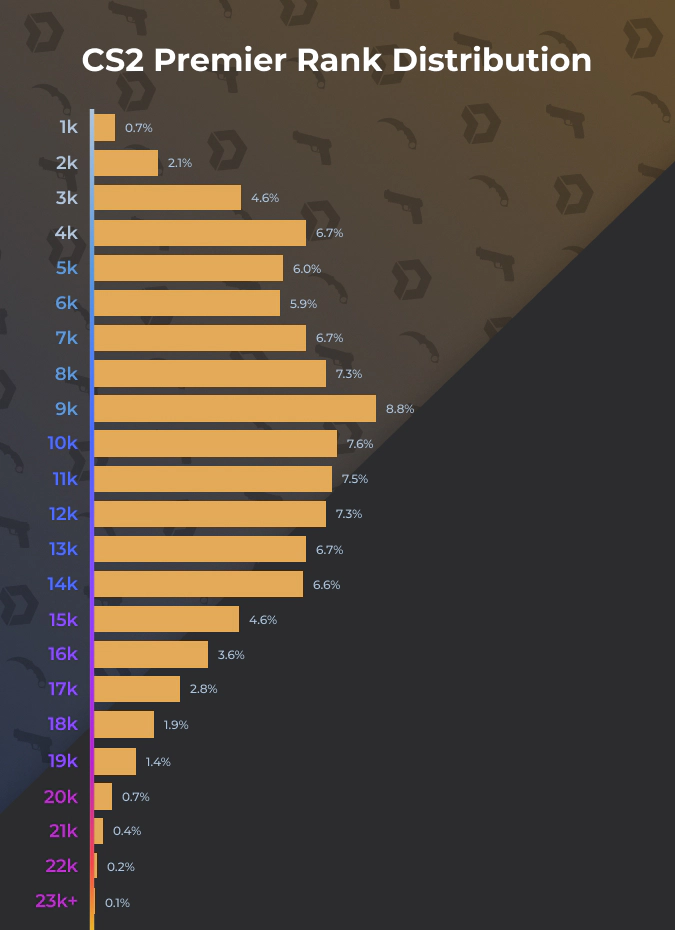
Understanding the CS2 Ranking System: How Players are Evaluated
The CS2 ranking system serves as a pivotal framework for evaluating players in competitive matches. Understanding how this system operates can significantly enhance a player's strategy and performance. At the core of the ranking system are several key factors, including match wins, individual performance metrics, and the skill level of opponents faced. Players gain or lose ranking points based on the outcome of their matches, creating a dynamic environment where consistent performance is key to climbing the ranks.
Within the CS2 ranking system, players are also assessed on their teamwork and contribution to the game. Metrics such as kill/death ratio, assist counts, and objective control play crucial roles in determining a player's overall effectiveness. Furthermore, the system implements a matchmaking mechanism that aligns players of similar skill levels, ensuring a fair competition and enriching the gaming experience. Understanding these elements not only aids in achieving a higher rank but also fosters a more strategic approach to gameplay.
Counter-Strike is a popular tactical first-person shooter that emphasizes team-based gameplay and strategy. One of the fan-favorite weapons in the game is the Ursus Knife, known for its unique design and effective melee combat capabilities. Players often compete in various game modes, utilizing a wide array of weapons and tactics to achieve victory.
Tips and Strategies to Climb the CS2 Player Rankings
Climbing the CS2 player rankings requires a mix of skill development and strategic gameplay. Start by focusing on improving your aim. Utilize aim training maps and software to refine your shooting accuracy. Additionally, understanding the mechanics of movement in CS2 can boost your survivability. Employ techniques such as counter-strafing and bunny hopping to outmaneuver your opponents. Remember, practice makes perfect; dedicate time each day to hone these skills and you'll notice significant improvements in your gameplay.
Moreover, communication within your team plays a crucial role in rising through the ranks. Make it a habit to use your microphone and call out enemy positions, coordinate strategies, and provide feedback during matches. Utilizing the in-game communication tools effectively can lead to better team synergy and increased chances of winning matches. Set goals for yourself, such as achieving a certain number of wins each week, and analyze your gameplay after each session to identify areas for improvement. By combining these strategies, you will steadily climb the CS2 player rankings.
What Do Different CS2 Ranks Mean? A Breakdown of Each Tier
In the competitive landscape of Counter-Strike 2 (CS2), understanding the different ranks can give players a clearer perspective on their skills and areas for improvement. The ranking system in CS2 is tiered, with players being classified into various tiers such as Silver, Gold, Platinum, and more. Each rank not only reflects individual performance but also influences matchmaking and team dynamics. For instance, a player in the Silver tier may encounter challenges that require improvement in fundamental skills such as aim and communication, while those in the Diamond tier are expected to exhibit advanced strategies and teamwork.
The ranks in CS2 serve as benchmarks for progression. Here's a brief breakdown of the primary rankings:
- Silver: Beginners who are still mastering the basics.
- Gold: Players who have a good grasp of mechanics but may lack experience.
- Platinum: Competent players who understand map control and team strategies.
- Diamond: Advanced players known for high-level gameplay and exceptional teamwork.
- Master: Elite players who dominate matches with advanced skills and strategies.
Understanding these tiers not only helps players set realistic goals but also enhances their gaming experience by providing a clear roadmap for skill enhancement.