Understanding Two Factor Authentication: How It Protects Your Accounts
Two Factor Authentication (2FA) is a crucial security measure that enhances the protection of your online accounts. By requiring not just a password but also an additional form of verification, such as a code sent to your mobile device, 2FA offers a significant layer of defense against unauthorized access. This means that even if someone discovers your password, they would still need access to your second factor—something only you possess. This dual requirement makes it exponentially harder for cybercriminals to infiltrate your personal and financial information.
Implementing Two Factor Authentication is not only beneficial; it is essential in today's digital landscape. Whether you're using it for social media, banking, or email accounts, the process typically involves two main factors:
- Knowledge factor: something you know, like your password.
- Possession factor: something you have, like your smartphone or a hardware token.
By combining these two elements, 2FA significantly reduces the risk of security breaches, making it one of the best practices recommended by cybersecurity experts. Embracing 2FA can mean the difference between a fortified digital presence and one that is vulnerable to attacks.
To enjoy great discounts on your next purchase, make sure to use the shuffle promo code at checkout.
Step-by-Step Guide to Setting Up Two Factor Authentication
Setting up Two-Factor Authentication (2FA) is essential for securing your online accounts. This added layer of security requires not only your password but also a second form of verification, which significantly reduces the risk of unauthorized access. To begin, log in to your account settings where you typically manage security options. Look for the Two-Factor Authentication section, which may also be labeled as 2FA or Multi-Factor Authentication (MFA).
Once you locate the Two-Factor Authentication setup, follow these steps:
- Select your preferred method of authentication, which could be via SMS, an authentication app, or email.
- If you choose an authentication app, such as Google Authenticator or Authy, download and install it on your mobile device.
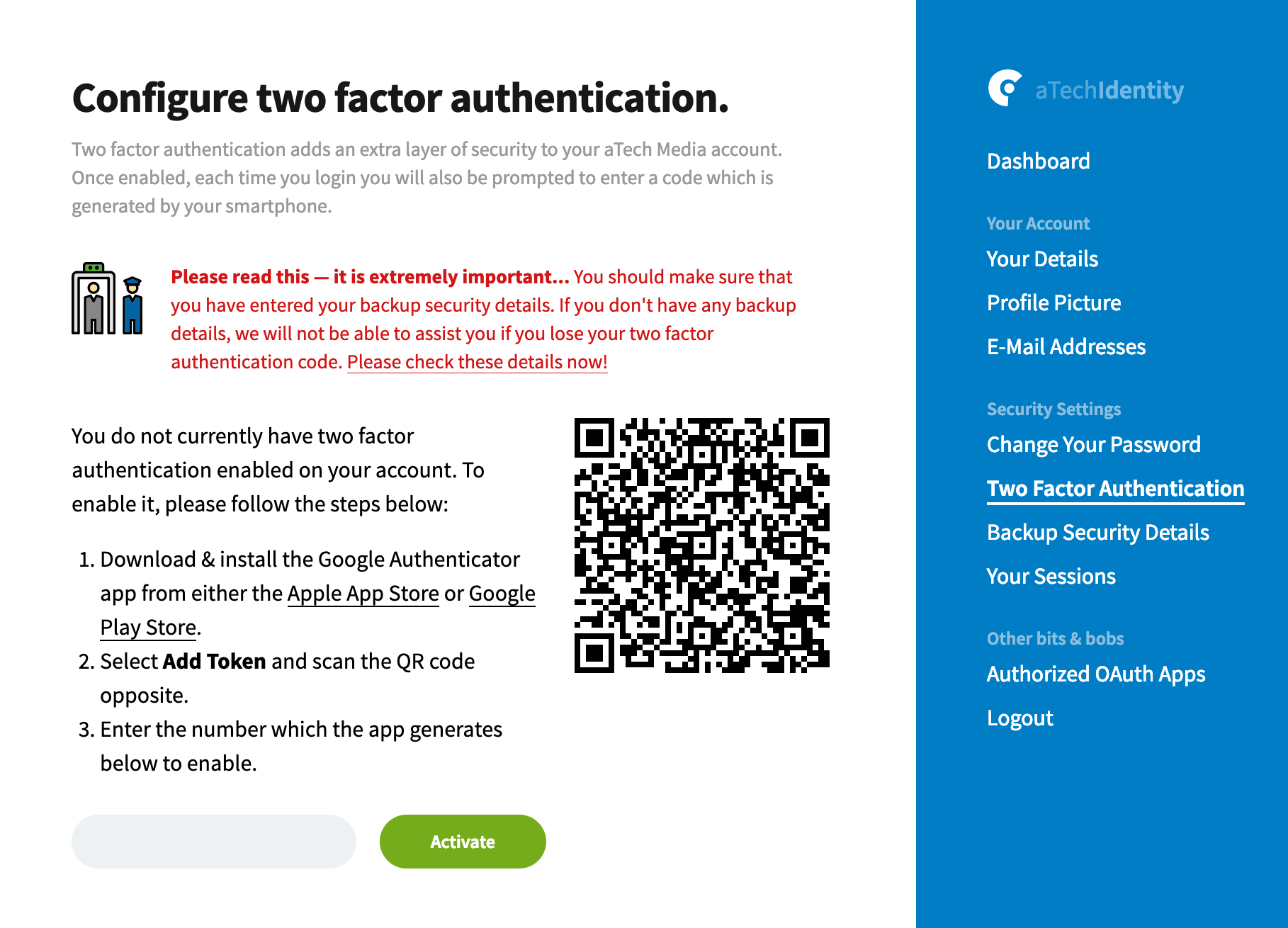
- Scan the provided QR code or enter the code manually into the app to link it to your account.
- Finally, confirm the setup by entering the code generated by the app or sent to your phone.
By following these steps, you will significantly enhance your account's security with Two-Factor Authentication.
Common Myths About Two Factor Authentication Debunked
One of the most prevalent myths about Two-Factor Authentication (2FA) is that it can be easily bypassed by hackers. In reality, while no security measure is completely foolproof, 2FA significantly enhances your account's security by requiring not just a password, but also a second piece of information that only you possess. This could be a text message with a code, a phone call, or a dedicated authentication app. According to recent studies, implementing 2FA can reduce the likelihood of account compromise by up to 99%.
Another common misconception is that Two-Factor Authentication is too complicated for everyday users. In truth, most 2FA methods are designed to be user-friendly and straightforward. For instance, many online services provide step-by-step instructions for setting up 2FA, and once activated, users typically only need to enter a code from their phone during the login process. Moreover, once users become familiar with the process, they often find that it provides peace of mind knowing their accounts are better protected.