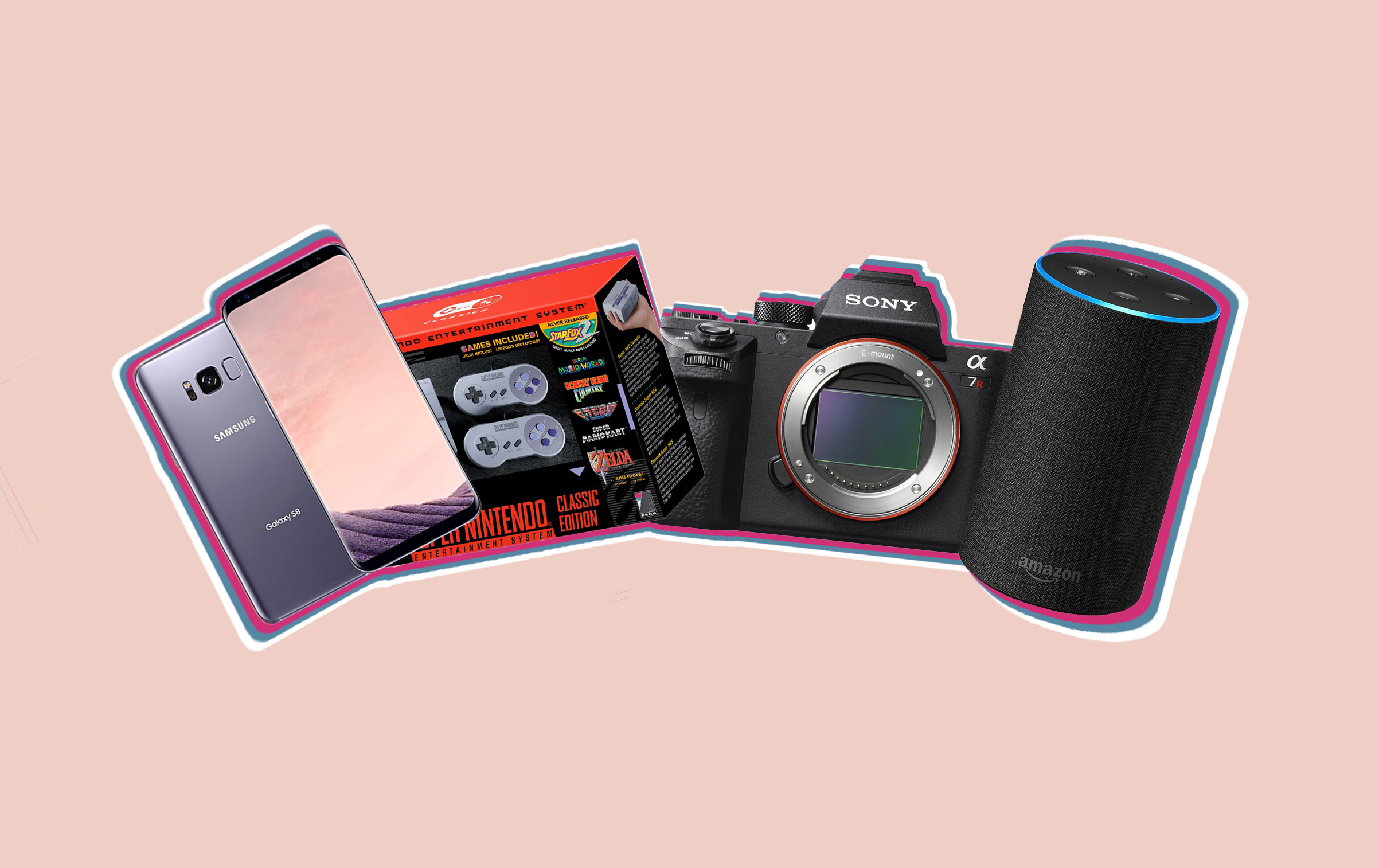
5 Mind-Bending Gadgets That Will Change Your Perception of Reality
In today's fast-paced technological landscape, the proliferation of innovative devices has the potential to transform our perception of reality. One such gadget is the virtual reality headset, which immerses users in lifelike experiences that can transport them to new worlds. Devices like the Oculus Quest 2 or the HTC Vive allow users to engage in activities ranging from gaming to virtual travel, effectively altering their perception of what is real. As we continue to integrate these technologies into our daily lives, the boundary between the digital and physical realms becomes increasingly blurred.
Another groundbreaking gadget is the augmented reality (AR) glasses, such as the Microsoft HoloLens or Google Glass. These devices overlay digital information onto the real world, enabling users to interact with 3D holograms while still being aware of their surroundings. This fusion of the digital and physical spaces can enhance educational experiences, training simulations, and even everyday tasks. As these mind-bending gadgets evolve, they promise to expand our understanding of reality itself, challenging our perceptions and altering our interactions with the world around us.
Counter-Strike is a popular multiplayer first-person shooter that has become a staple in the esports community. Players take on the role of either terrorists or counter-terrorists, completing objectives such as bomb defusal or hostage rescue. For those looking for fun gear for young gamers, check out the Top 10 iPhone Accessories for Kids to enhance their gaming experience.
Are These Cutting-Edge Devices Blurring the Line Between Virtual and Reality?
In today's rapidly advancing tech landscape, cutting-edge devices are increasingly blurring the line between virtual and reality. Technologies such as augmented reality (AR) and virtual reality (VR) have transformed traditional perceptions of interaction, allowing users to immerse themselves in digital environments that feel astonishingly real. For instance, devices like the Meta Quest and Microsoft HoloLens are not just gadgets; they represent a leap towards a seamless integration of digital and physical worlds. By overlaying digital information onto our real-life surroundings or creating fully immersive virtual spaces, these devices challenge our understanding of what is real.
Moreover, industries from gaming to healthcare are adopting these technologies, enhancing user experiences in ways previously considered sci-fi. In gaming, titles that utilize VR technology transport players into interactive realms, while in healthcare, AR is being used for surgical simulations and patient training. As we continue to explore the capabilities of these cutting-edge devices, one must ask: how far are we willing to go in embracing this blurring of realities? The implications extend beyond entertainment and into ethical considerations of immersion, identity, and the nature of experience itself.
How Augmented Reality Gadgets Are Transforming the Way We Experience the World
Augmented Reality (AR) gadgets are revolutionizing our interaction with the world by blending digital information with our physical surroundings. From smart glasses to AR-enabled smartphones, these innovative tools are creating immersive experiences that enhance our understanding of different environments. For instance, users can now experience virtual tours of historical sites, visualize complex data overlaid in real time, or even engage with educational content in ways that were previously unimaginable. This transformative technology not only enriches entertainment but also aids in various professional fields such as architecture, healthcare, and education.
As AR gadgets become more prevalent, they are also changing consumer behavior and expectations. Companies are leveraging this technology to create interactive marketing campaigns that captivate audiences. For example, with AR apps, potential buyers can visualize how a piece of furniture would look in their home before making a purchase. This not only streamlines decision-making but also adds a personalized touch to the shopping experience. In a world where immersive experiences are in high demand, AR gadgets are proving to be essential tools for enhancing our daily lives and reshaping how we engage with both products and services.