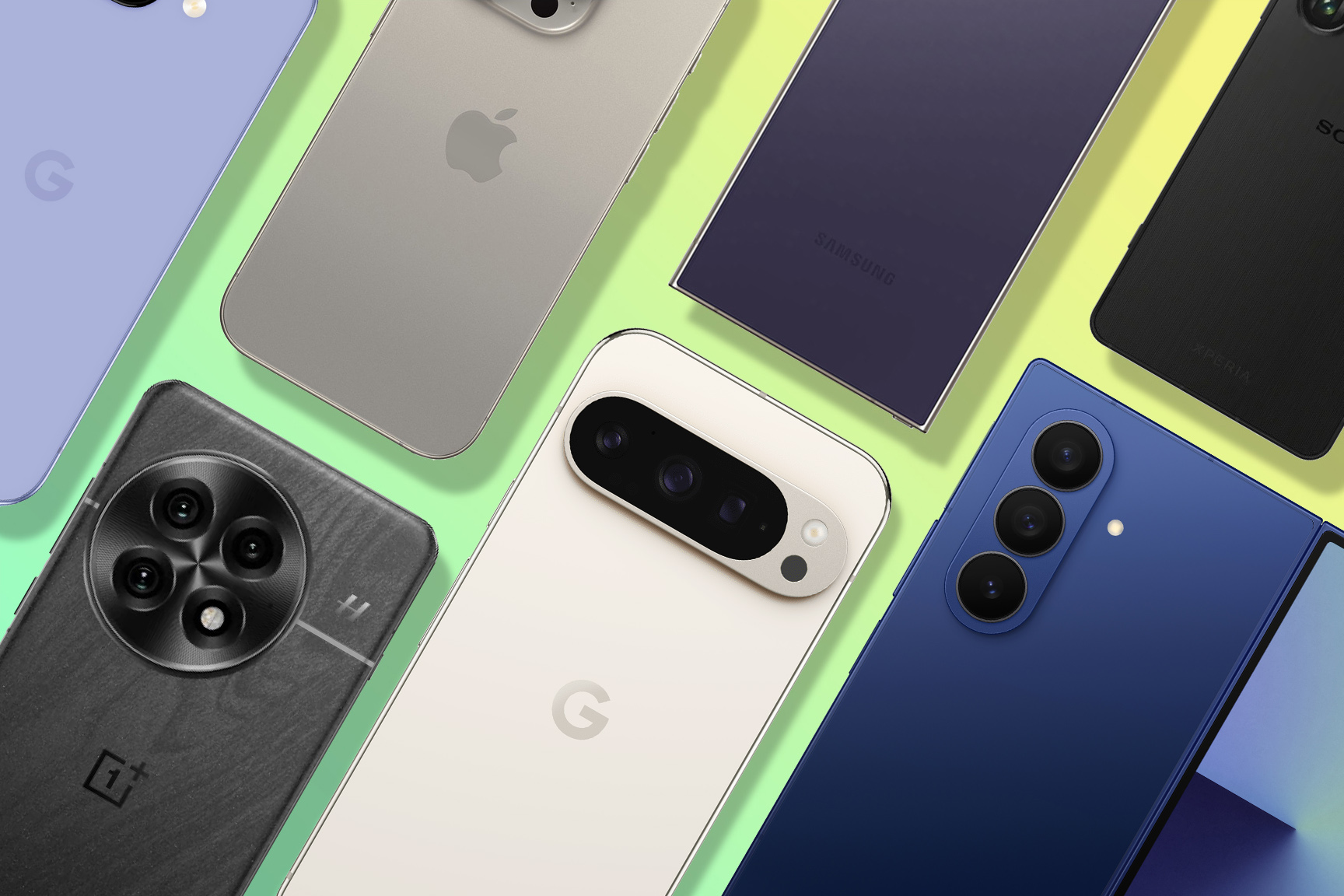
How Smartphones Have Transformed Communication Over the Last Decade
Over the last decade, smartphones have revolutionized the way we communicate, bridging geographical gaps and enhancing connectivity like never before. With the advent of social media platforms and messaging apps, individuals can now share their thoughts, images, and videos instantly. This rapid evolution has made it possible for people to engage in real-time conversations, regardless of their physical location. In fact, according to recent studies, over 3.8 billion people worldwide use social media, a trend largely fueled by smartphone accessibility.
Furthermore, the integration of features such as video calling, voice messaging, and group chats has transformed traditional communication methods. Instead of relying solely on emails or phone calls, individuals now utilize a variety of mediums to express themselves. This shift has not only enhanced personal relationships but also influenced professional interactions, leading to more dynamic collaboration. As a result, businesses have adapted their strategies to leverage the capabilities of smartphones, emphasizing the importance of mobile-friendly communication in today's fast-paced world.
Counter-Strike is a multiplayer first-person shooter game that has become a cornerstone of competitive gaming since its release. Players form teams and compete to complete objectives, such as defusing bombs or rescuing hostages. The game requires strategic thinking, quick reflexes, and teamwork, making it a favorite among esports enthusiasts. For durable protection of your iPhone while gaming, check out these Top 10 iphone rugged cases to keep your device safe during intense matches.
The Evolution of Smartphones: From Simple Devices to Pocket-Sized Computers
The evolution of smartphones has transformed the way we communicate, work, and engage with the world around us. In the early days, smartphones were primarily designed for basic communication and simple functionalities. Devices like the Palm Pilot and early BlackBerry models served as the bridge between cell phones and computers, offering features such as email and simple web browsing. Over the years, advancements in technology paved the way for more intuitive interfaces, leading to the launch of the iPhone in 2007. This game-changing device revolutionized the smartphone market, introducing a touch screen interface and the concept of apps, allowing users to tailor their devices to meet their specific needs.
As we moved into the 2010s and beyond, smartphones continued to morph into pocket-sized computers. Today's devices offer unparalleled processing power, advanced camera systems, and a plethora of applications that enable us to manage everything from online banking to social media, fitness tracking, and even virtual reality experiences. Features like AI integration, biometric security, and 5G capability have pushed the boundaries of what these compact devices can achieve. As technology evolves, it's clear that smartphones are no longer just communication tools, but essential multi-functional gadgets that encapsulate our digital lives.
Are Smartphones Making Us Smarter or More Disconnected?
The advent of smartphones has sparked a heated debate about their impact on our intelligence and social interactions. On one hand, smartphones grant us unprecedented access to information and educational resources. With just a few taps, we can explore vast amounts of data, learn new skills, and connect with experts globally. This ease of access can be perceived as making us smarter, as we can constantly engage in self-directed learning and stay updated with the latest trends and knowledge across various fields.
Conversely, the omnipresence of smartphones can lead to a sense of disconnection in our personal relationships and daily interactions. Many people find themselves engrossed in their screens, often at the expense of face-to-face conversations and authentic connections. The obsession with digital notifications and social media can leave individuals feeling more isolated, raising the question: are we truly becoming smarter, or are we losing touch with the world around us? Understanding this balance is crucial as we navigate our increasingly technology-driven lives.